
Sentence Modifications in Indiana: Can a Court Reduce or Change Your Sentence?
Zach Baber • February 23, 2026
Learn how sentence modifications work in Indiana, when you may qualify, and how courts can reduce or modify a criminal sentence.
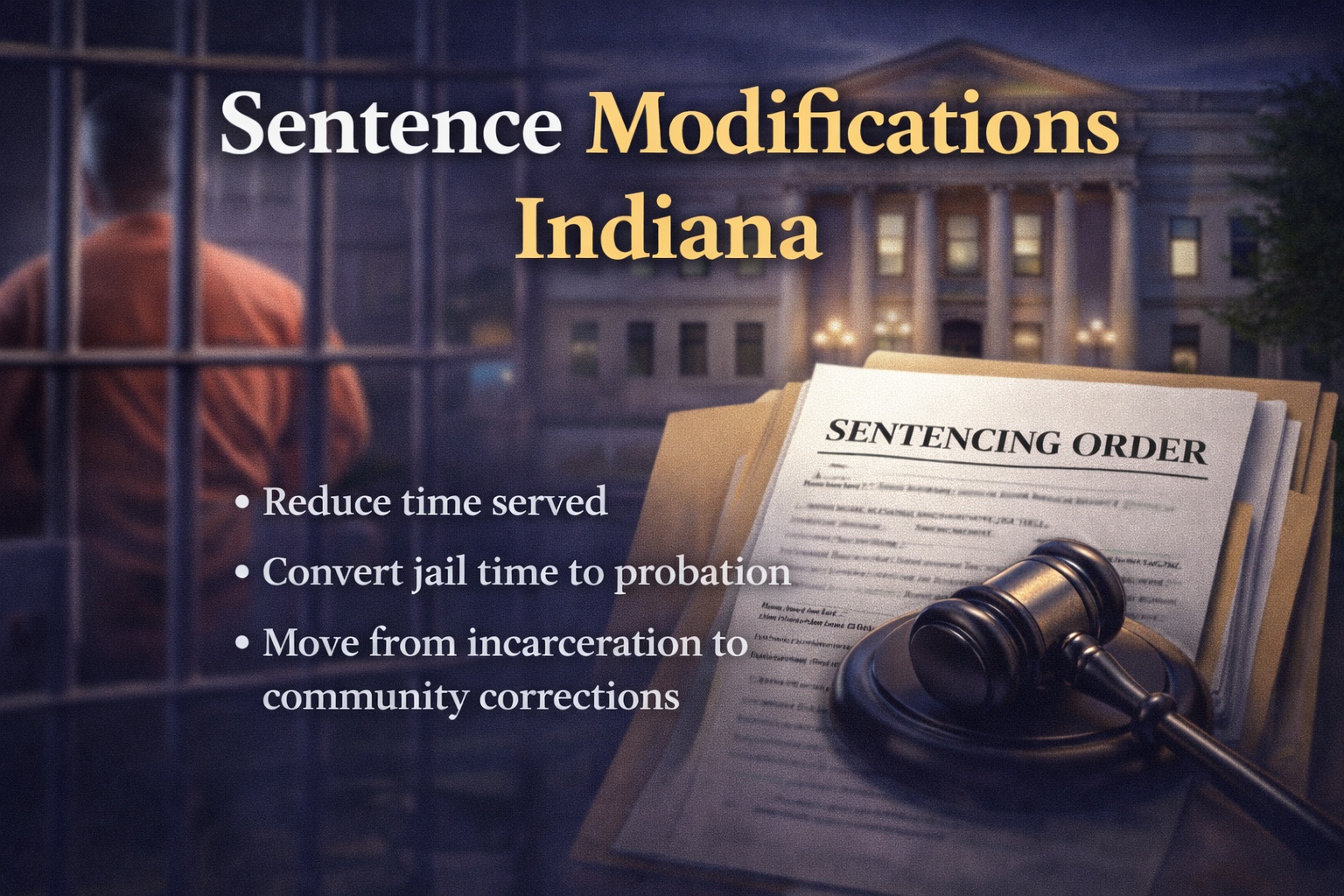
If you or a loved one has already been sentenced in a criminal case for a misdemeanor or felony, it may feel like the outcome is final.
In some situations, however, Indiana law allows a court to reconsider or modify a sentence after it has been imposed.
This is called a sentence modification.
At Baber & Baber, P.C., we regularly speak with individuals in Whitley County and Northeast Indiana who want to understand whether a sentence modification may be possible in their case.
Here’s what you should know.
What Is a Sentence Modification?
A sentence modification is a legal request asking the court to:
Instead, it asks the court to reconsider the sentence itself.
When Can You Request a Sentence Modification?
Indiana law allows sentence modification requests in certain circumstances, but timing matters.
In many cases:
What Factors Do Courts Consider?
A court will not modify a sentence automatically. Judges typically look at factors such as:
What Types of Changes Might Be Possible?
Depending on the case, a sentence modification may involve:
Understanding what your original sentencing order and plea proposal says is critical.
Sentence Modification vs. Appeal
It’s important to understand the difference.
An appeal argues that legal errors occurred during trial or sentencing.
A sentence modification asks the trial court to reconsider the sentence based on changed circumstances, rehabilitation efforts, or other equitable reasons.
These are separate processes with different standards.
Common Misunderstandings About Sentence Modifications
Many people believe:
“If I behave well for a few months, I automatically qualify.”
“The court has to reduce my sentence after a certain amount of time.”
“It's just a DUI. I can file something on my own, and it will be granted.”
In reality, sentence modifications are discretionary. Courts are not required to grant them.
Preparation, timing, and presentation can significantly affect the outcome.
Why Local Experience Matters
Sentence modifications are handled by the original sentencing court.
Is a Sentence Modification Right for You?
Not every case qualifies.
But if:
Taking the Next Step
If you or a family member is currently serving a sentence and wondering whether a modification might be possible, early evaluation is important.
At Baber & Baber, P.C., we review sentencing orders, plea agreements, and case history to determine whether a sentence modification request may be viable.
If you would like to discuss your situation, call our office at 260.244.4422 (phones answered 24/7) or contact us online here.
In some situations, however, Indiana law allows a court to reconsider or modify a sentence after it has been imposed.
This is called a sentence modification.
At Baber & Baber, P.C., we regularly speak with individuals in Whitley County and Northeast Indiana who want to understand whether a sentence modification may be possible in their case.
Here’s what you should know.
What Is a Sentence Modification?
A sentence modification is a legal request asking the court to:
- Reduce a sentence
- Change the type of sentence
- Convert executed time to probation
- Modify placement (for example, from incarceration to community corrections)
Instead, it asks the court to reconsider the sentence itself.
When Can You Request a Sentence Modification?
Indiana law allows sentence modification requests in certain circumstances, but timing matters.
In many cases:
- A request can be filed after sentencing
- The prosecutor’s consent may or may not be required depending on timing
- There may be limits if you previously agreed to a fixed sentence in a plea agreement
What Factors Do Courts Consider?
A court will not modify a sentence automatically. Judges typically look at factors such as:
- Conduct while incarcerated
- Participation in treatment or programming
- Disciplinary history
- Efforts toward rehabilitation
- Community support
- Risk to public safety
- Compliance with probation (if applicable)
What Types of Changes Might Be Possible?
Depending on the case, a sentence modification may involve:
- Reducing executed time
- Converting jail or prison time to probation
- Moving from incarceration to community corrections
- Adjusting probation terms
Not every sentence qualifies for modification.
Some plea agreements restrict changes. Others leave room for judicial discretion.
Understanding what your original sentencing order and plea proposal says is critical.
Sentence Modification vs. Appeal
It’s important to understand the difference.
An appeal argues that legal errors occurred during trial or sentencing.
A sentence modification asks the trial court to reconsider the sentence based on changed circumstances, rehabilitation efforts, or other equitable reasons.
These are separate processes with different standards.
Common Misunderstandings About Sentence Modifications
Many people believe:
“If I behave well for a few months, I automatically qualify.”
“The court has to reduce my sentence after a certain amount of time.”
“It's just a DUI. I can file something on my own, and it will be granted.”
In reality, sentence modifications are discretionary. Courts are not required to grant them.
Preparation, timing, and presentation can significantly affect the outcome.
Why Local Experience Matters
Sentence modifications are handled by the original sentencing court.
That means:
- Local practices matter
- Judicial preferences matter
- How the motion is presented matters
Is a Sentence Modification Right for You?
Not every case qualifies.
But if:
- You have demonstrated rehabilitation
- You have completed programs or treatment
- You have community support
- You have complied with facility rules
- Your circumstances have changed
Taking the Next Step
If you or a family member is currently serving a sentence and wondering whether a modification might be possible, early evaluation is important.
At Baber & Baber, P.C., we review sentencing orders, plea agreements, and case history to determine whether a sentence modification request may be viable.
If you would like to discuss your situation, call our office at 260.244.4422 (phones answered 24/7) or contact us online here.
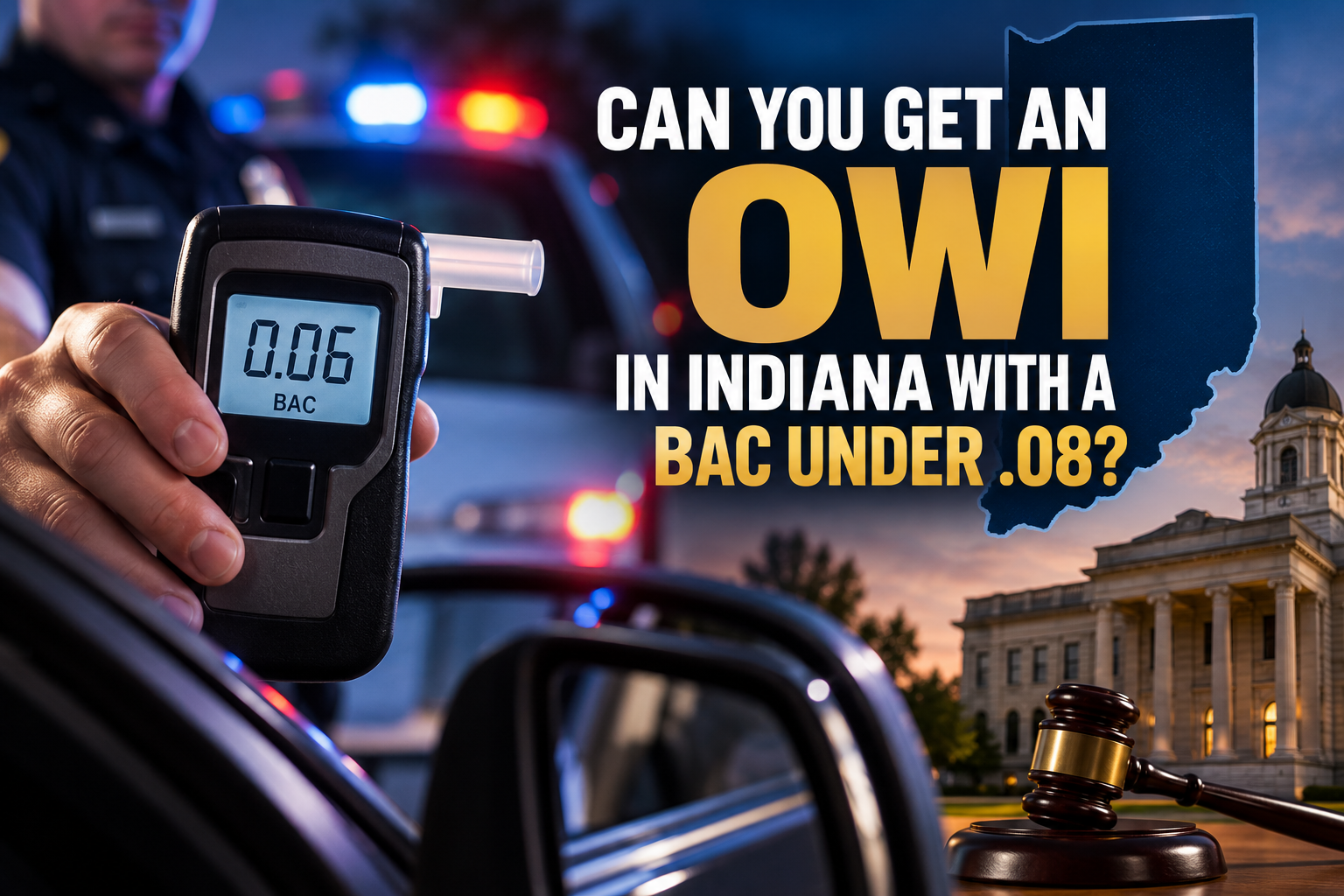
Can you get an OWI in Indiana with a BAC under .08? Learn how impairment, officer observations, video, and other evidence may still matter.
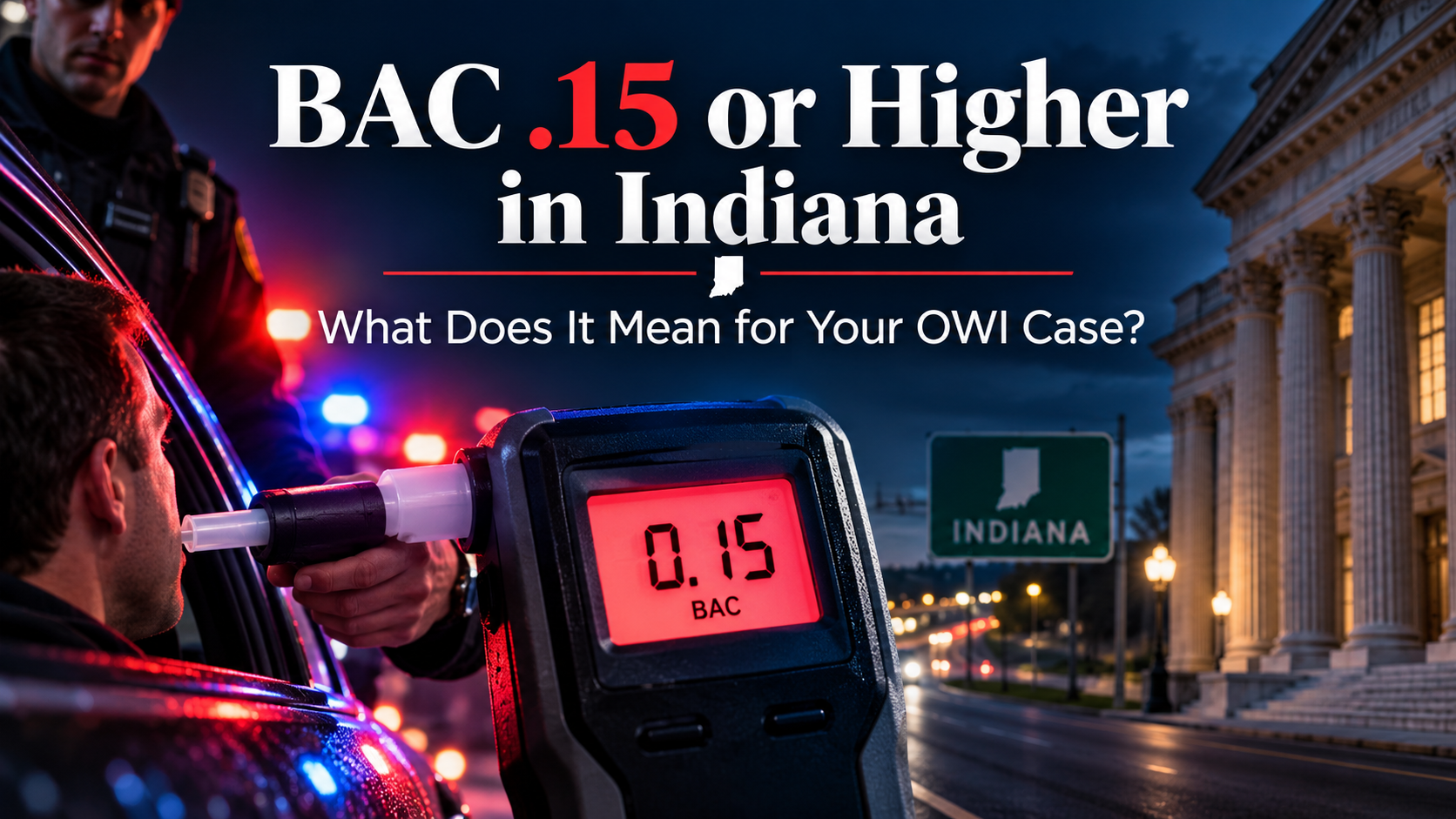
BAC .15 or higher in Indiana can lead to a more serious OWI charge. Learn what it may mean for penalties, your license, and your defense.

Arrested for OWI in Whitley County? Learn 7 mistakes to avoid involving driving, court, bond conditions, evidence, and social media.

Can you drive to work after an OWI arrest in Indiana? Learn how license status, specialized driving privileges, and interlock may apply.

Learn whether you may be able to keep driving after an OWI in Indiana, including ignition interlock, license issues, and legal driving options.

Charged with OWI in Whitley County? Learn what evidence may matter, including the stop, testing, body cam footage, and license issues.

Whitley County can be tough on OWI cases. Learn why local experience matters and what to consider after an OWI arrest.

Arrested for OWI in Whitley County? Learn what to do in the first 24 hours, including court dates, license issues, and next steps.

Learn how a DUI attorney can impact the outcome of a case in Warsaw, IN, with Baber & Baber, P.C. Attorneys at Law. Click here to keep reading.
Arrested for a DUI in Warsaw, IN? Baber & Baber explains booking, hearings, and license suspension. Call for a free consultation.
